
Vehicle Wraps for Denver Metro Businesses
Turn one vehicle into a moving billboard with a wrap designed to be read at speed.
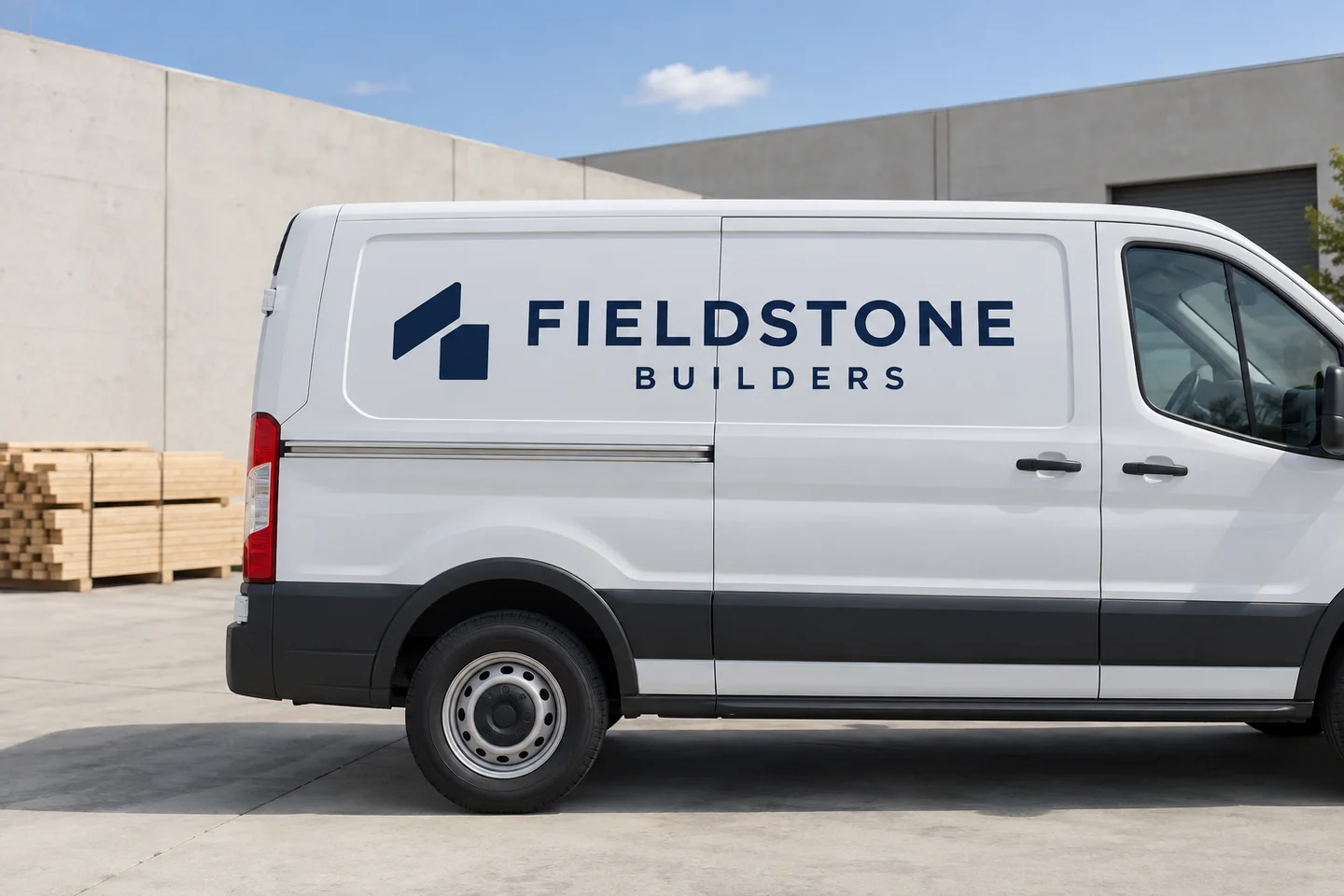
Fictional business · Not a completed Radiance project.
Vehicle wraps for Denver Metro businesses
A wrap is printed, laminated vinyl film applied over your vehicle’s factory paint, turning a truck you already own and already insure into advertising that works every mile you drive and every hour you’re parked. A van sitting outside a job site in Arvada from 7am to 4pm is seen by more people in a day than most local ad buys reach in a week — and it costs nothing more after the initial spend.
The people who come to us for a single wrap are owner-operators and one-truck contractors whose van is the marketing budget, newly launched businesses making their first visible investment, food trucks and mobile services where the vehicle is the storefront, and owners who want a color change — matte, satin, or a shade the factory never offered — without committing to a respray.
If you run several vehicles and the priority is getting them all to match, the work is different: that’s a repeatable specification, and it’s covered on our fleet graphics page. This page is about doing one vehicle properly.
Coverage and finish options
- Full wrap — every painted panel covered, bumper to bumper. Maximum presence, complete design freedom, and the factory paint is sealed underneath.
- Three-quarter wrap — the sides, rear, and lower body wrapped with the roof and hood left bare. Reads as a full wrap from the road at a noticeably lower price.
- Partial wrap — printed panels across the doors, quarter panels, and rear, blended into the existing paint color. The sensible middle for most single-vehicle owners.
- Cut vinyl lettering — name, trade, phone, and license number in solid cut vinyl. Not a wrap, but the fastest, cheapest way to look like a real company by Monday.
- Color-change wrap — no printed graphics, just a solid film in gloss, matte, satin, or a textured finish. Reversible in a way paint isn’t.
- Chrome delete and accents — window trim, grille surrounds, badges, and mirror caps in gloss black or body color to sharpen the look.
- Perforated window film — one-way vinyl across the rear glass. Full graphics from outside, usable visibility from the driver’s seat.
- Trailers — enclosed and box trailers have large flat sides and are among the best value per square foot of any wrap you can buy.
- Food trucks and service bodies — menu boards, service windows, and equipment cutouts laid out around the real openings rather than dropped on afterwards.
What actually makes a wrap work
A wrap is not a brochure. It gets four seconds from a driver in the next lane, usually at speed, often at an angle. The wraps that generate calls follow the same discipline:
- Three pieces of information, maximum. Company name, what you do, and how to reach you. Anything beyond that reduces how much gets read, not how much gets communicated.
- Contrast over decoration. Light copy on a dark field or the reverse. A phone number set over a busy photograph is a phone number nobody dials.
- Layout that respects the vehicle. Door handles, body creases, cladding, rivets, and window rubber all interrupt artwork. We place the design around the vehicle’s real geometry so the logo doesn’t land across a door seam or disappear into a recess.
- Finish chosen on purpose. Gloss reads brightest in daylight and is easiest to keep clean; matte and satin look considerably more expensive and show fingerprints and swirl marks far more readily.
- A proof on your actual vehicle. We render the design on your specific year, make, and model before anything is printed, so what you approve is what you’ll be driving.
Colorado conditions worth planning around
- Sun at altitude. Front Range UV exposure is more punishing than the same latitude at sea level, and it goes after reds and oranges first. We specify cast film with a UV laminate for any wrap expected to last, and we’ll say plainly when a color choice is going to fade before the rest of the design does.
- Where the vehicle sleeps. Garaged versus street-parked is the single biggest predictor of how long a wrap looks new — often a bigger factor than the film grade itself.
- Hail. Vinyl won’t stop a dent. If a panel gets hit, the wrap on that panel is replaced along with the bodywork, which is one reason we keep your artwork on file rather than reconstructing it later.
- Winter chemicals and gravel. Mag chloride and traction sand work at exposed film edges and seams. Correct edge sealing and tucking is the difference between a wrap that lifts at the door edges in year two and one that doesn’t.
- Mountain highway miles. Regular I-70 driving means rock chips on the hood and front bumper. Worth knowing before you decide whether to wrap the front end at all.
The process
Consultation → vehicle inspection and paint check → measurement and template → design proofed on your make and model → your approval → print, laminate, and cut → surface decontamination and installation → post-heat and cure → walkthrough and care handover
We design the wrap, specify the film and laminate, oversee printing and installation, and inspect the finished vehicle against the approved proof before you take it back. One project contact, with the applicable warranty terms documented for your project.
What drives the cost
- How much of the vehicle is covered — lettering, partial, three-quarter, or full
- Size and shape — a box truck’s flat slab sides cost far less per square foot than a modern van with deep contours, cladding, and compound curves
- Finish — matte, satin, textured, and chrome films carry a premium over standard gloss
- Design time, and whether you already have usable vector artwork or we’re starting from a photo of a business card
- Removal of existing graphics or a previous wrap, and any adhesive left behind
- Paint condition and prep — oxidation, overspray, or aftermarket paint may need addressing first
- Turnaround — a wrap scheduled around your availability costs less than one squeezed in against a deadline
Keeping a wrap looking new
Hand wash with automotive soap and rinse from the top down. Skip the brush-style automatic washes entirely — the brushes catch edges and lift them. Keep pressure washers well back and never aim directly at a seam. Get bug splatter, tree sap, and fuel spills off promptly; they etch the laminate if left. Park in shade or a garage where you can. Do that and a well-specified wrap holds its color for years; ignore it and the same wrap ages visibly faster than the film’s rating.
Vehicle wrap FAQs
How long will my vehicle be unavailable? Plan on two to three days for a full wrap — the surface has to be fully clean and dry, the install can’t be rushed, and the film needs to post-heat and settle. Partial coverage and cut lettering are usually a same-day or overnight job.
Can I wrap a leased vehicle? Usually yes, and it’s a common reason to choose vinyl over paint. Read the lease first: many require the vehicle returned to original appearance, which means budgeting for removal at end-of-term. Quality film comes off cleanly inside its rated life.
Will it stick over a repaint or bodywork? Only if the paint is sound and fully cured. Fresh paint needs time to outgas before it is wrapped, and vinyl will not hold on peeling, oxidized, or filler-heavy panels. We check this at inspection rather than discovering it on install day.
Can you fix one damaged panel instead of redoing the whole thing? Yes — wraps are installed panel by panel, so a scraped door or replaced bumper can be reprinted and swapped. Expect a slight color difference between a new panel and film that has been in the sun for a few years.
Is a matte or satin finish harder to live with? Somewhat. They look excellent and photograph beautifully, but they can’t be polished, they hold fingerprints around the handles, and marks that would buff out of gloss are permanent. Worth it if you want the look, provided you know what you’re taking on.
Anything special for a food truck? The wrap itself is straightforward; the rules about where you can park and vend are set by the city and the health department, and they are separate from anything sign-related. We lay the graphics out around your serving window and equipment; you handle the vending permits with the city.
Can it be removed? Yes. Within its rated life a properly specified wrap comes off cleanly with controlled heat, leaving the paint underneath in better condition than the panels that were exposed. Left on for years past its rating — especially in this climate — removal turns slow and expensive.
Next step
Tell us the year, make, and model, send whatever logo files you have, and say what you want the vehicle to say. We’ll come back with a proof rendered on your exact vehicle before a single foot of vinyl is printed.
Request a vehicle wrap consultation
Related: Fleet graphics · Window graphics · Storefront signs
Related graphics
Fleet Graphics
Consistent branding across every vehicle you run, applied to the same spec every time.
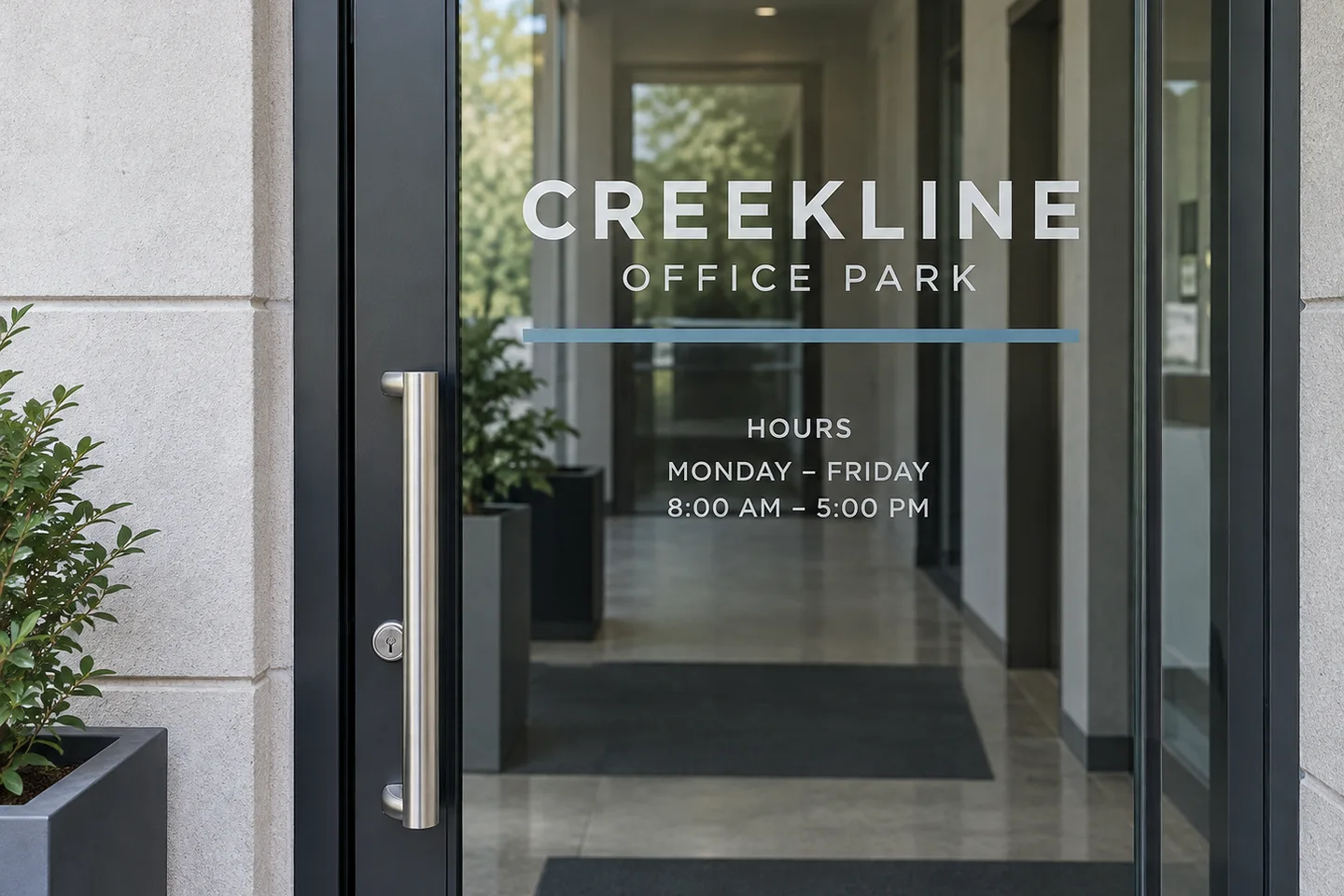
Privacy & Frosted Film
Etched-glass looks and daylight-friendly privacy for conference rooms and glass fronts.
Wall Murals
Transform blank walls into branded, immersive environments that inspire.